Frozen Pipes: Protect the Line Before It Bursts
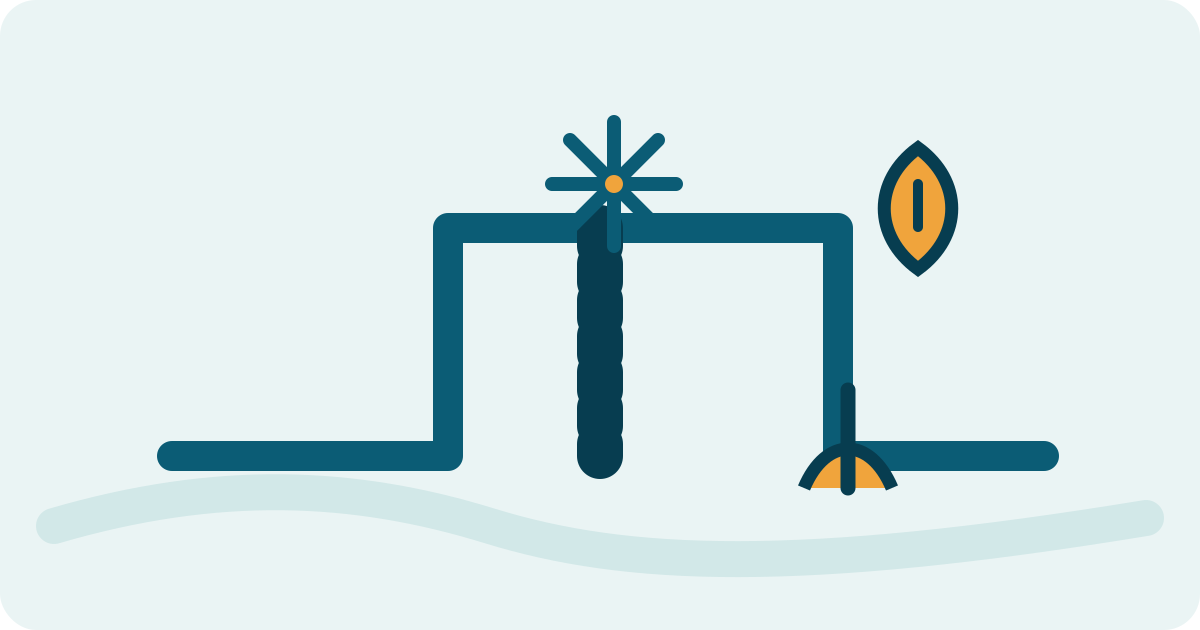
Frozen pipes are a race against a split
Ice in a supply line can block flow—and expanding ice can crack the pipe. Your goals: gentle thawing when safe, shutoff readiness, and knowing when to treat it as a burst pipe emergency.
Call Now (844) 936-0420 if you can’t locate the freeze, water is spraying, or you’re unsure about electrical safety near wet areas.
Education and referral only—no invented “24/7 freeze teams” or arrival promises.
Signs pipes may be frozen
- No water or a trickle from a faucet when others work
- Frost on an exposed pipe
- Strange smell from drains when vents or traps are involved (less common primary sign)
- Recent deep cold, vacant home, or open crawlspace vents
Safer thawing (intact pipes)
- Open the faucet served by the suspect line so melting ice can move.
- Warm the pipe with a hair dryer, warm towels, or a portable heater kept a safe distance—never leave heaters unattended.
- Start thawing nearest the faucet and work back toward the frozen section.
- Never use open flame torches on pipes in walls or near framing/insulation.
- Know your water shutoff valve location before you need it.
If pipes are inside walls and you can’t access them safely, call a professional rather than cutting blindly.
If you suspect a burst
Shut the main water off, power off circuits near wet areas if safe, and follow burst-pipe damage control. Call (844) 936-0420 and see emergency plumbing guidance for urgency framing.
Prevention notes
- Insulate vulnerable lines in garages, crawlspaces, and exterior walls
- Open cabinet doors on extreme nights for heated air
- Trickle a pencil-thin stream from the farthest faucet during severe cold (water/cost tradeoff)
- Disconnect and drain hoses; shut/bleed outdoor hose bibs where designed for it
Related guides
FAQ
Will pouring boiling water on a pipe help?
Sudden temperature shock can worsen cracks; prefer gradual warm air. Never scald yourself or flood electrical areas.
Is no water in winter always a freeze?
Not always—utility outages and shut valves happen too. Check with neighbors and your main valve position.
Connect with a local pro
Guides by city
Same topic with local context for homeowners in these metros. Coverage still varies by time and location—these are guides, not local offices.
- Albuquerque
- Atlanta
- Austin
- Baltimore
- Boise
- Charlotte
- Chicago
- Cincinnati
- Cleveland
- Colorado Springs
- Columbus
- Dallas
- Denver
- Des Moines
- Fort Collins
- Fort Worth
- Fresno
- Grand Rapids
- Greensboro
- Indianapolis
- Irvine
- Jacksonville
- Kansas City
- Las Vegas
- Long Beach
- Los Angeles
- Louisville
- Memphis
- Miami
- Milwaukee
- Minneapolis
- Nashville
- Oklahoma City
- Omaha
- Orlando
- Phoenix
- Portland
- Raleigh
- Richmond
- Riverside
- Sacramento
- Salt Lake City
- San Antonio
- San Diego
- San Jose
- Seattle
- Spokane
- Tampa
- Tucson
- Virginia Beach
Or start from a metro router: All location hubs.